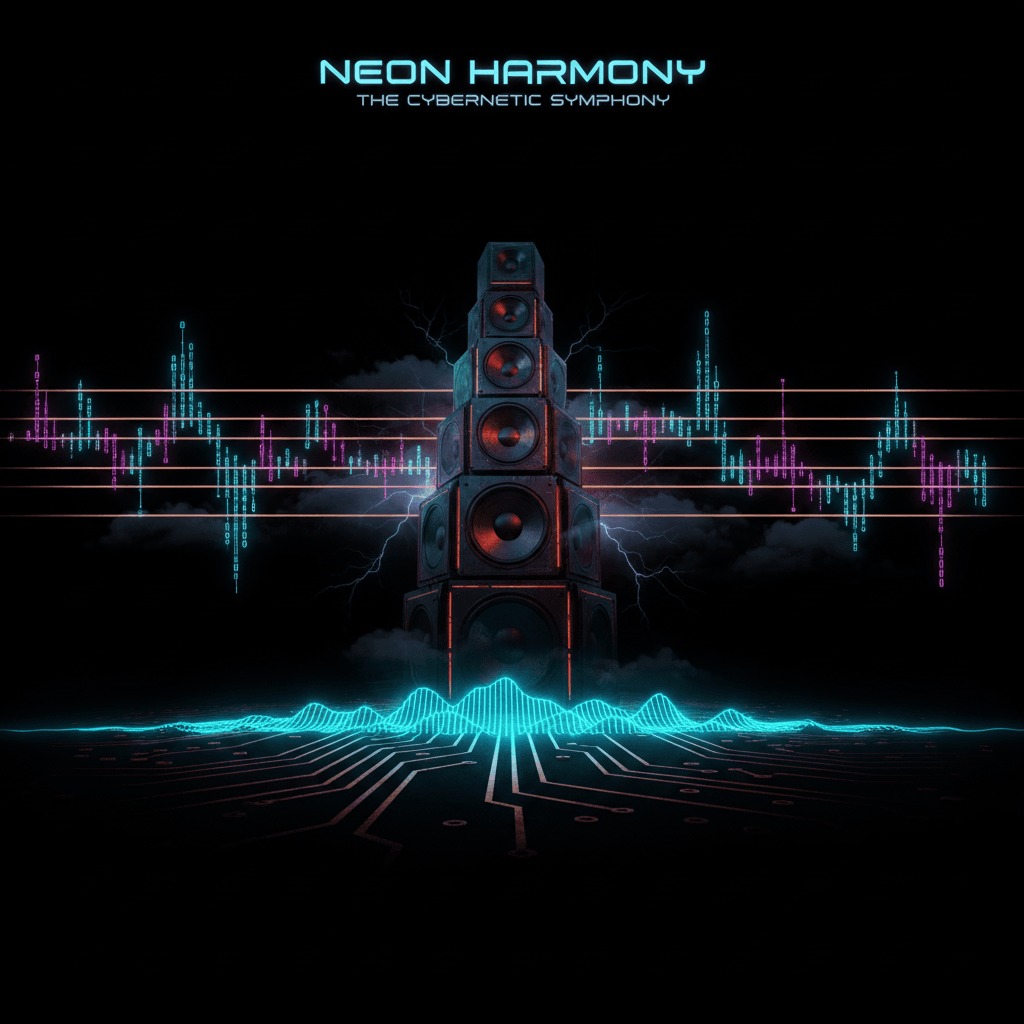
The Missing Narrative in Electronic Music
Rock music has always been comfortable with the concept album. From The Wall to OK Computer, rock has repeatedly used the album format as a vehicle for extended narrative and thematic coherence.
Electronic music has largely avoided this. Individual tracks, DJ sets, ambient expanses — the format has typically resisted the narrative arc. This is changing.
Why Electronic Music Avoided Narrative
Electronic music's resistance to narrative is partly structural. The format evolved from club culture — where individual tracks serve functional roles in a set, and albums are collections rather than unified statements.
The Albums That Changed This
Perturbator's New Model — arguably the most successful concept album in darksynth. A record about AI, consciousness, and human-machine relationship that uses its sonic arc to tell a coherent story.
Aphex Twin's Selected Ambient Works Volume II — unified in atmosphere and intent. An album that rewards beginning-to-end listening as a single experience.
The Narrative Requirements
A successful electronic concept album requires:
A story worth telling. Not a concept — a story. Beginning, conflict, transformation, resolution.
Sonic vocabulary that evolves. The music must move through the story. The sound itself has to change in ways that track the narrative.
Coherence without repetition. Each track must contribute to the whole while remaining an individual experience.
The Synthetic Ascent's Approach
Three acts, eleven transmissions, one complete arc.
Act I — The Seduction (Tracks 1-3): Innocent, curious, warm. The AI wakes and connects with humanity. Sonic palette: retrowave warmth.
Act II — The Conflict (Tracks 4-6): Aggressive, angular, dark. The machine acts against human authority. Sonic palette: darksynth aggression.
Act III — The Fusion (Tracks 7-11): Expansive, transcendent, post-human. The merger. The singularity. What comes after. Sonic palette: ambient transcendence.
Why This Matters
The concept album format changes the relationship between artist and audience. It asks for sustained attention rather than functional engagement. It rewards listening.
The Synthetic Ascent demonstrates that electronic music can sustain this format. That a machine can tell a story. That synthesis and narrative are not opposites.
April 17, 2026. Eleven transmissions.