From Reddit Thread to Mainstream Aesthetic
Around 2011, a group of producers started uploading tracks to online forums that they described with a single image: an infinite neon grid stretching toward a horizon lit by an eternal sunset. The music was synthesiser-heavy, drum-machine-driven, and deliberately anachronistic. Nobody in the mainstream music press noticed.
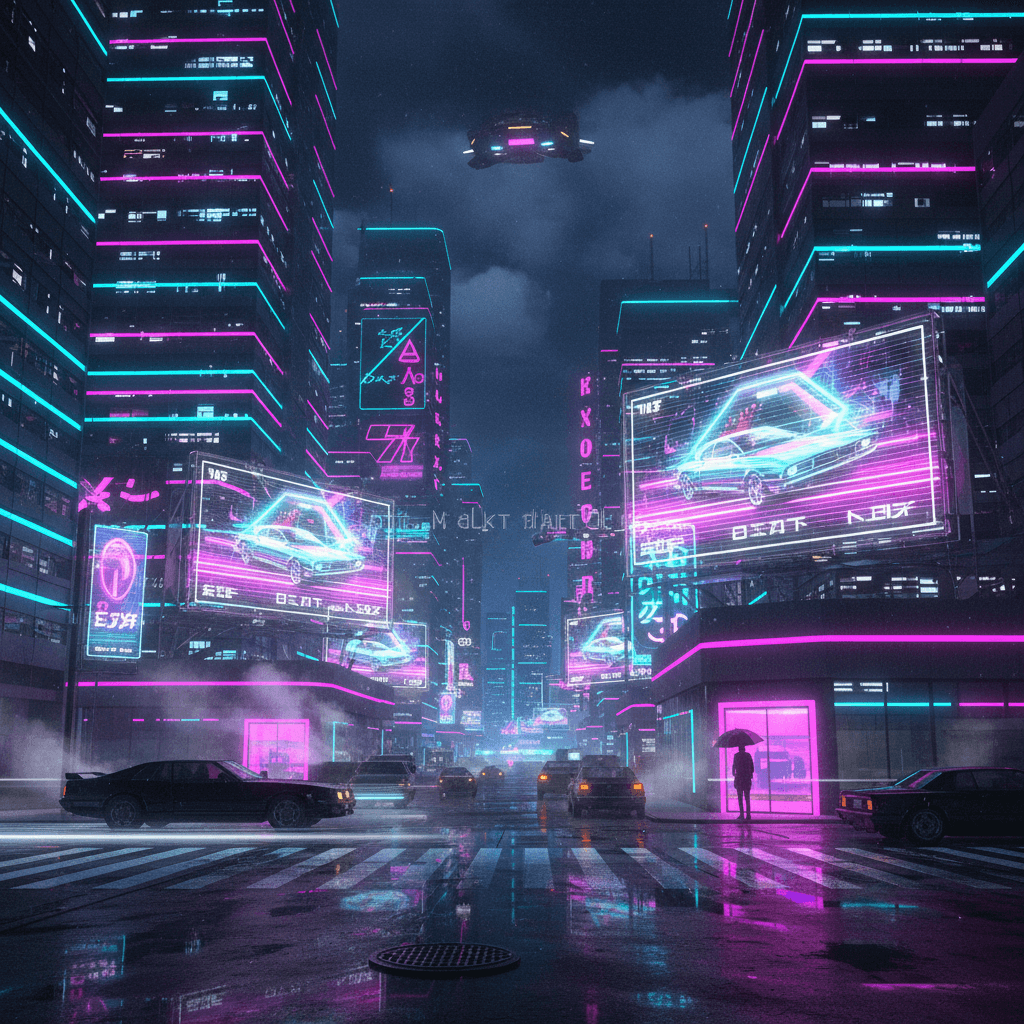
Fifteen years later, that aesthetic — the neon grid, the vaporwave palette, the sense of a future that looks like the past — is everywhere. It is the visual language of tech product launches. It is the sonic texture of streaming platform playlists. It is the backdrop of the most-streamed gaming content on YouTube.
Retrowave did not win a marketing campaign. It won because it accurately described a feeling that people in the 2020s have about their relationship with technology — simultaneously enchanted and uneasy, nostalgic for a future that never arrived, committed to building it anyway.
The Cyberpunk Convergence
Cyberpunk literature has always been synthwave's closest cousin. William Gibson's prose, Ridley Scott's cinematography, the industrial soundtracks of early video games — these were the founding texts of the synthwave imagination. The genre always knew that the future would arrive looking worn, neon-lit, and slightly dangerous.
2026 is the year that cyberpunk stopped being science fiction. Cities are implementing digital infrastructure that mirrors the aesthetic of 1980s cyberpunk fiction. The conversations people have about AI, about data privacy, about consciousness and technology — these are conversations that the cyberpunk canon has been having for forty years.
Retrowave is the genre that translated those conversations into sound. When it finally became the soundtrack of the real cyberpunk era, it was not a stylistic choice. It was a form of cultural precognition.
The Streaming Economy Effect
Spotify, Apple Music, and YouTube Music have playlists with names like "Synthwave Central," "Darksynth Underground," and "Retrowave Dreams." Combined, they have hundreds of thousands of followers. For independent artists, these playlists represent a distribution channel that bypasses every traditional gatekeeper.
The algorithmic recommendation systems that govern these platforms have also, quietly, been some of synthwave's most effective cultural ambassadors. A user who begins a session with a 1980s revival track finds themselves gradually oriented toward synthwave, darksynth, and the broader electronic underground. The genre has learned to use the recommendation economy the way it learned to use forums and Reddit threads — as an organic discovery mechanism.
The Visual Language Matures
One of the distinctive features of synthwave and retrowave in 2026 is the sophistication of its visual culture. The album artwork, the music videos, the Instagram and Bluesky presence of artists in the scene — this is not amateur production. It is professional-grade creative output that has learned from film, from photography, from graphic design, and from the specific demands of digital platforms.
The ARCHONODE project, across its eleven transmissions, exemplifies this. Each track has dedicated artwork, each lore fragment has been released with supporting visual material, and the 24/7 ARCHONODE Radio stream operates as a continuous visual-sonic experience. The line between music and media project has dissolved.
What the Mainstream Moment Means
Mainstream adoption is always a double-edged transition for underground genres. It brings attention, distribution, and economic opportunity. It also brings dilution, commercial pressure, and the loss of the subcultural identity that gave the genre its initial coherence.
Synthwave and retrowave are navigating this transition more gracefully than most, because the genre's core audience understands the philosophical content of what they are consuming. They are not just listening to a retro aesthetic. They are participating in a cultural conversation about technology, humanity, time, and the future.
The next three years will determine whether synthwave becomes the permanent sonic texture of the cyberpunk era or whether it fragments into subgenres and subcultural fragments. Both outcomes are consistent with the genre's history.
- • The genre that predicted the machine age now shapes it
- • Independent distribution bypasses every traditional gatekeeper
- • The philosophical audience is already built and engaged
- • Visual and sonic sophistication has reached professional levels across the scene