Cyberpunk Aesthetic 2026
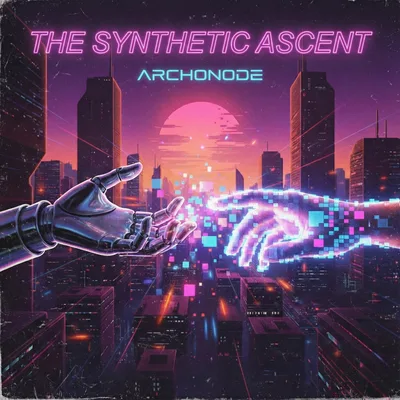
The premise
Cyberpunk was a 1980s prediction. It described a future of corporate power, wet streets, neon signage, and human bodies augmented past the point of humanity. The 2020s did not deliver that future. The 2020s delivered a different one. The aesthetic that was supposed to be a warning has become the visual code of the present tense.
What cyberpunk actually looks like in 2026
The canonical visual code is unchanged from the genre's 1980s codification. Neon signage. Wet streets. Skyscrapers at night. Chrome. Rain. The difference is that the code is no longer fictional. The code is descriptive.
The skyline
Every major city in 2026 looks like a cyberpunk skyline. Hong Kong. Tokyo. Seoul. Shanghai. The neon is real. The verticality is real. The corporate branding that dominates the high-rises is real. The genre predicted the skyline. The skyline stopped being a prediction.
The signage
LED screens have replaced neon in most contexts. The aesthetic is preserved through the screen content: animated glyphs, high-contrast palettes, bilingual text. The wet street reflects the screen content back at the pedestrian. The pedestrian is inside the genre.
The body
Phones in every hand. Earbuds in every ear. Cameras in every glance. The augmentation that cyberpunk imagined through mechanical implants has arrived through consumer electronics. The body is modified. The modification is invisible because everyone has it.
Why the aesthetic persists
The aesthetic persists because the prediction came true. The aesthetic persists because the prediction was supposed to be a warning.
That second clause is the harder one. Cyberpunk was supposed to be cautionary. The genre's founding texts are dystopias. The 2020s absorbed the dystopia without absorbing the caution. The aesthetic is the residue of a warning that was not heard.
How darksynth lives inside the aesthetic
Darksynth is the musical version of cyberpunk's visual code. Where synthwave is the soundtrack to the imagined 1985, darksynth is the soundtrack to the actual 2026. The genre's distortion is not aesthetic choice; it is descriptive accuracy. The world sounds distorted. The genre sounds the way the world sounds. The darksynth complete guide covers the audio mechanics.
The transition from synthwave to cyberpunk is the historical bridge. Synthwave was nostalgic for a future that never arrived. Cyberpunk describes the future that did.
What the aesthetic means for music
Two things. First: the visual and the audio are now inseparable. A darksynth record without cyberpunk visuals feels incomplete. The visual is part of the transmission. Second: the aesthetic is no longer optional for the underground. Cyberpunk is the default visual code of the present tense. Any contemporary transmission that uses a different aesthetic is making a deliberate statement against the present.
The colour code
Cyan-magenta-yellow-black. The classic cyberpunk palette. ARCHONODE's phase colours — green for Phase I, cyan for Phase II, yellow for Phase III, pink for Phase IV, purple for Phase V — are deliberate mutations of the canonical palette. Each phase is a slightly different future. Each phase is still cyberpunk. The genre persists. The version of it changes.
What is not cyberpunk
The aesthetic has been absorbed so thoroughly that the term has lost precision. In 2026, "cyberpunk" means anything that uses neon. This is too broad. The aesthetic has three necessary elements: high contrast, verticality, and the visible mark of corporate power. Without all three, the aesthetic is something else.
How to decode the aesthetic
Three questions. Does the image have a vertical orientation? Does it have a high-contrast colour palette? Does it show a corporate or institutional presence larger than the human figure? If yes, yes, and yes, the aesthetic is cyberpunk. If any answer is no, the aesthetic is something else.
The signal
Cyberpunk is not retro. Cyberpunk is descriptive. The aesthetic persists because the world it described is the world we live in. The darksynth sound, the cyberpunk visual, the AI-music production model — they are not separate things. They are three descriptions of the same present tense.
Open the signal. Read the palette. Listen to the noise.
What the aesthetic predicts
Three predictions for 2027. First: the high-contrast palette will continue to dominate urban signage. The aesthetic will continue to be the visual default. Second: the human figure will continue to shrink in the genre's visual code. The augmentation will continue to be invisible. Third: the corporate presence will continue to be the genre's antagonist. The aesthetic will continue to be cautionary. The caution will continue to be ignored.